
The Best Foods To Boost Brain Health and Memory

How familiar are you with the relationship between nutrition and brain health?
Did you even realize there was a relationship?
The brain is arguably the most important organ in the body that controls all bodily functions. It burns a huge amount of calories and so it needs a huge amount of nutrients and oxygen in order to function properly.
Since you use the brain constantly, even when you sleep, you need to consume the best, healthiest, most nutrient-rich food that will support all its functions. Food that contains healthy fats, protein, and complex carbs will give the brain the energy it needs to keep you healthy, safe, and functioning at an optimal level.
Read on to learn about the best foods for your brain health and memory, as well as how to implement them into your diet.


Neuronutrition for Optimal Performance
This complete transformative program is designed to optimize the health of your most important organ - your brain! Whether you are dealing with neurofatigue, memory problems, difficulty focusing, anxiety, TBI, or post-concussive symptoms, this program is designed to help. It all starts with a comprehensive analysis of what is happening on the inside - a place no one ever looks!
Your highly individualized program is then devised based on your unique needs. Throughout the program, you are in the driver’s seat. You dictate how quickly or slowly we proceed based on your current state, abilities, and needs. As a bonus, sessions will be recorded and made available to you, so you can rewatch, revisit, or relearn topics as necessary.
Regardless of your current situation, let us uncover the source of your issues and use natural means to help you improve memory and focus, enhance cognitive performance, restore energy production, and age gracefully. It’s never too late to start!
What exactly is Neuronutrition?
Simply put, Neuronutrition is food for the brain. We utilize a four-prong targeted approach to nourish the mind and promote optimal neurological health. Our approach includes:
• Feeding the brain specific nutrients it needs to function optimally
• Removing certain foods that are toxic to or damage the brain
• Making simple lifestyle tweaks
• Adding the right targeted supplements for you, as needed
The right nutrients for the brain will increase neurotransmitters that positively affect mood, cognition, and energy levels. At the same time, proper neuronutrition will increase cerebral blood flow, reduce oxidative damage, and minimize inflammation in the brain, all while restoring energy production, improving memory, and enhancing cognitive function.
All this can lead to:
• No more brain fog
• Improved mental clarity
• Reduced anxiety and depression
• Improved memory
• Better sleep
• Better focus and concentration
• More energy
• Reduced neurofatigue
• Fewer headaches
• Greater vitality
Neuronutrition has extensive and far-reaching effects. It can benefit anyone, especially:
• Those who want to look and feel their best for as long as possible
• People who want to maintain a sharp memory and cognitive function as they age while preventing or slowing the progression of dementia
• Executives looking to excel at work and advance their career
• Students wanting to maintain focus and get ahead of their competition
• People wanting to improve their brains and bodies for the rest of their lives
• And those who struggle with any type of mental health issue
Our Neuronutrition for Optimal Performance Program can help you, too!
The program includes:
• Ten private sessions
• Access to session recordings for your future reference
• A personalized nutritional plan designed specifically for your unique needs and symptoms
• Recipes to pick from each week to get you started and keep you focused
• Printable PDF handouts; containing checklists, educational information, or cooking tips
• Unlimited email or phone support throughout your journey
Are you ready to eat for performance? Inquire about pricing for this unique program today so you can start building a better brain to build a better life!
Nuts and Seeds
Nuts of all kinds, especially walnuts (raw) are some of the best foods for brain health. They’re rich in healthy fats, minerals, and vitamins that give your brain a boost of energy and vitality.
A handful of nuts and seeds can contain between 128-204 calories, most of which are fats. Adding a variety of raw nuts and seeds to your day is a great way to boost brain function in a healthy way, especially when you need a lot of brainpower to complete a challenging task.
Blueberries
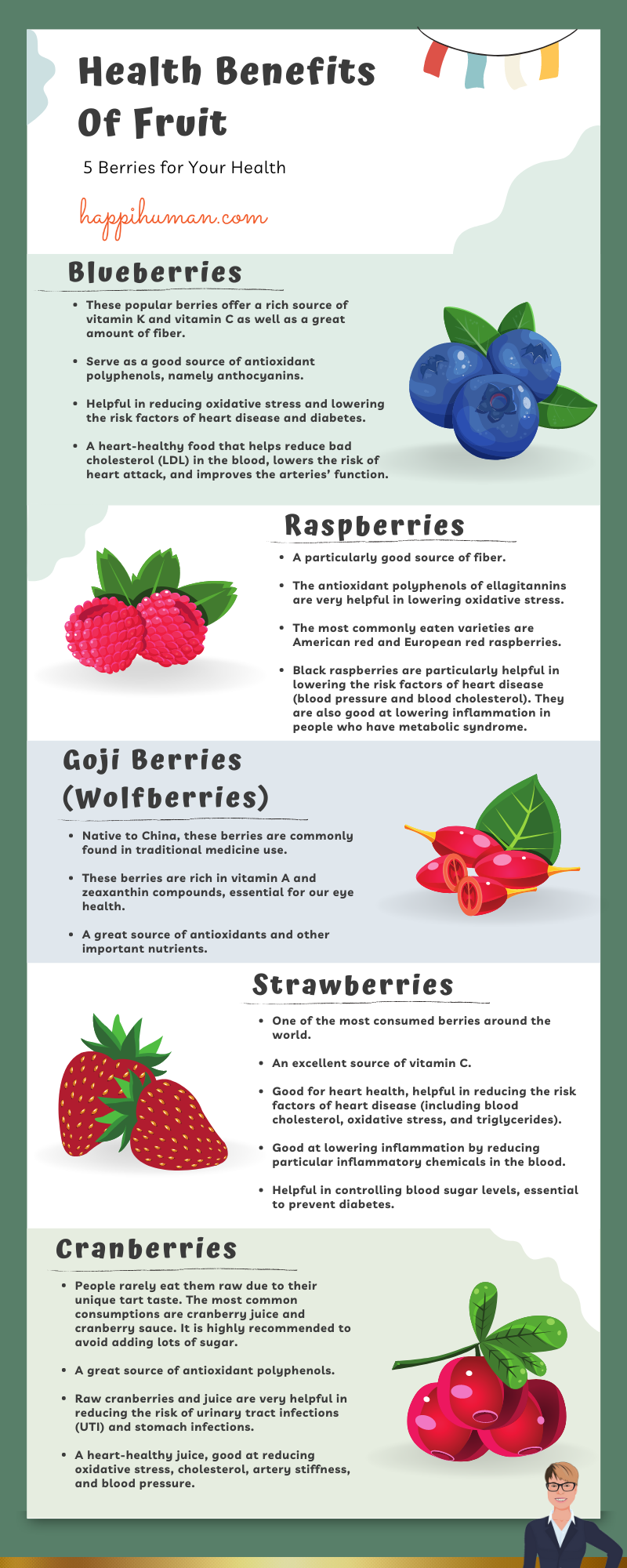
Blueberries are great brain foods that support proper neuronutrition due to their high antioxidant content. Since the brain needs a lot of oxygen in order to work properly, it also needs antioxidants to help prevent oxidative stress and inflammation.
Berries of all kinds can provide these nutrients and give the brain a boost of healthy energy through fructose, vitamins, minerals, and polyphenols. Aside from blueberries, you can also eat strawberries, blackberries, cherries, elderberries, raspberries, and cranberries to help support your brain health.
Note: When possible, opt for organic berries. Due to their thin and soft skins, berries tend to retain most of the chemicals and pesticides they were sprayed with. In addition, they are very difficult to wash clean.
Avocados
Avocados are not just a modern-day buzzword. They’re actually very nutritious and contain a high amount of healthy fats. These fats are monosaturated and can reduce the risk of cognitive decline as they keep the brain healthy and active.
Not sure how to implement all these foods into your diet? A nutritionist/nutrition coach will create a healthy, nutrient-rich food plan for you that can support and improve your physical and cognitive health.
You may also like



I just completed a 3-month course with Kelly and it was an excellent experience! It changed the way I think about food. With her background in teaching and her expertise and love of neuronutrition and healthy eating, I was able to kick my sugar addiction and lose weight. Kelly was there to support me throughout the entire process. She made herself available to answer questions and explain food science in a way that made sense. She genuinely cares about the success of her clients. She listened carefully and was positive and encouraging. I would leave her sessions equipped with new information, recipes and helpful tips to meet the challenges ahead. She is fun and inspiring and real. For anyone wishing to take action, make changes to their diet and live a healthier life, I strongly recommend Kelly!
Regards,
—Karey T. (British Columbia)
Eggs
Aside from being rich in protein, eggs are among the best foods for brain health because of their vitamin B6 and B12 content. The B complex group of vitamins is known to support cognitive health and protect the nerves from damage. The egg yolk also contains choline, a nutrient that can help regulate and boost memory, mental function, and mood.
Note: Choose eggs from pasture-raised hens that have beautiful dark orange yolks. The darker the yolk, the more nutrients, including choline, they have.
Whole Grains
Whole grains include brown rice, buckwheat, rye, oats, quinoa, millet, and barley. The less processed and less refined they are, the more nutrients they contain and the more benefits they can provide for your mental wellness. Other good sources of whole grains to consider are those that come from ancient grains like einkorn, emmer, and amaranth. The closer the grain is to its original composition, the easier it tends to be on digestion.
Whole grains are rich in vitamin B, which is the best group of vitamins for the nervous system and cognitive function. You can use quinoa, millet, and oats in your morning cereal, smoothies, desserts, or salads. You can use buckwheat, rye, and barley to make whole-grain flour with which you can make bread, pasta, and all kinds of dough.
Note: If someone is sensitive to gluten, even some non-gluten-containing grains can be problematic for them, depending on the integrity of their digestive system.
Fatty Fish
Fatty fish like salmon, tuna, trout, and sardines are rich in omega-3 fatty acids. These are essential in keeping your brain active and healthy especially because 60% of the brain itself is made of fat, 1/2 of which is omega-3 fatty acids.
If you’re vegan, you can find a good amount of omega-3 fatty acids in soybeans, flaxseeds, and most nuts and seeds. When it comes to omega-3 supplements, opt for an algae-based supplement and ensure you read the ingredient list well. Always aim for high-quality products with no hidden additives.
Leafy Greens
We’ve all heard of the health benefits of kale but there are many other types of leafy greens that are good for your brain health, as well. Aside from kale, leafy greens also include arugula, spinach, Collard greens, Swiss chard, cabbage, watercress, Romaine lettuce, and turnip greens.
These are a great source of folate, which belongs to the B group of vitamins, and supports the proper functioning of neurotransmitters in the brain. It’s best to consume leafy greens fresh in a salad rather than cooked so as to preserve their nutrient, vitamin, mineral, and antioxidant levels intact.
Note: The darker the green the better!
Dark Chocolate
Most of us, whenever we feel stress and anxiety, reach for a piece of chocolate. There’s a good science-based reason for that and it’s not because of the sugar.
Dark chocolate is rich in antioxidants, specifically flavonoids, which are one of the best nutrients for optimal brain health. They not only help prevent cognitive decline but also protect the brain cells from premature aging and memory loss.
Coffee and Green Tea
Coffee lover’s rejoice, we have great news for you: caffeine is great for your mental health and brain, due to its ability to reduce stress and improve your mood.
Whether you prefer a strong cup of black coffee or like to sweeten it up with coconut milk and maple syrup, coffee is packed with antioxidants that prevent premature aging of the cells. Of course, as with everything else, quality is important. To reduce the chance of your coffee containing mold (mycotoxins often found in poor-quality coffee are neurotoxins), opt for whole beans, preferably produced sustainably, then grind them fresh yourself.
The same goes for green tea, which has high caffeine content as well. Green tea also contains L-theanine, an amino acid which provides powerful neurotransmitter support. You can try regular loose leaf green tea or go a step further and try matcha, which is made of finely ground dried green tea leaves.
Achieve Optimal Brain Health With These Powerful Nourishing Foods
The food you eat has the potential to determine your overall health, and this includes your brain health as well. From the foods you eat to the activities you perform throughout the day, your brain needs nutrition and oxygen more than any other organ in the body.
When it comes to well-being, everyone’s needs are different. We believe optimizing your health is a journey, so if you need support and professional advice along the way, we’re here for you. Book your consultation with us today!
It’s also important to know that these recommendations are intended for general advice only, and may not apply to you and your needs. This is also not a substitute for professional medical advice. Seek advice from your medical care practitioner before embarking on any new health journey.
Are you ready to begin your journey towards long-term health? If so, take a look at the services I offer here.
As always, I welcome your thoughts and value your feedback. Let me know what you think by dropping me a line or commenting below.

[Medical Disclaimer]
Please consult with your doctor(s) before starting any new mental or physical health improvement program. The advice I offer is not intended to replace that of your medical practitioner. I am not a medical professional, nor am I qualified to diagnose, cure treat, or prevent disease. The advice I provide on this website is intended for a broad and diverse audience, and as such, deals with general lifestyle concepts, not specific healthcare advice. This material disclaims any liability or loss in connection with the advice expressed herein.